How To Truly Understand the Hawaiian Canoe-Wa’a
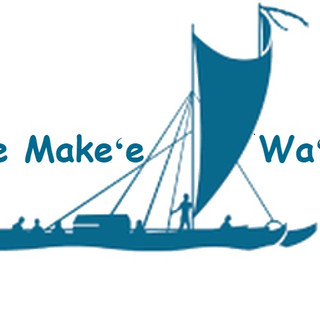

Understanding the Hawaiian canoe requires seeing it as a system rather than just parts, observing how these parts interact with the ocean and people, offering a way to experience and interpret the complex world.
Its form is shaped by the conditions of the Hawaiian Islands: open ocean exposure, strong swell, shifting winds, and powerful channels. A canoe built for these waters must respond, adjust, and endure rather than resist.
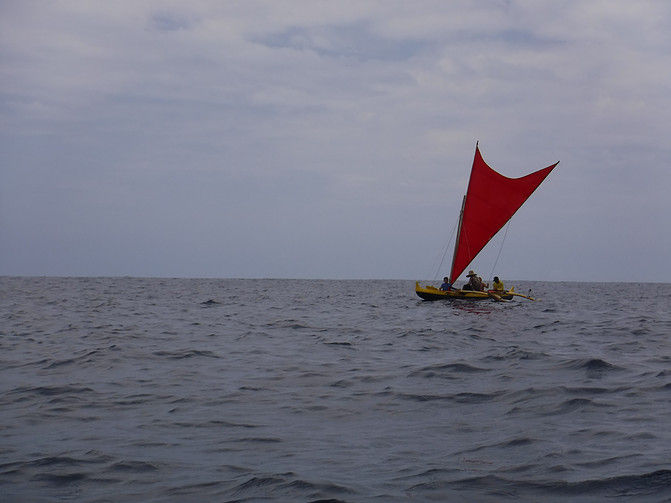
The canoe moves with the ocean, lifting with waves and settling as they drop. It is always in motion—flexing, rising, adjusting—never rigid. Its strength lies in absorbing and working with force, not resisting it. A rigid structure would fail, but the Hawaiian canoe survives by being flexible.
When everything aligns, the canoe reaches a state called pono, often translated as balance. It is a harmonious condition where the canoe, its occupants, and the environment work together. This harmony requires constant maintenance. The canoe teaches this through experience, revealing imbalance through resistance and alignment through ease, showing rather than telling.
A person must approach the canoe with haʻahaʻa (humble frame of mind) for it to become a teacher; otherwise, the voice of the Hawaiian canoe will not be heard.


Comments